-
Pragyan Vihar, Badahal, Keonjhar, Odisha






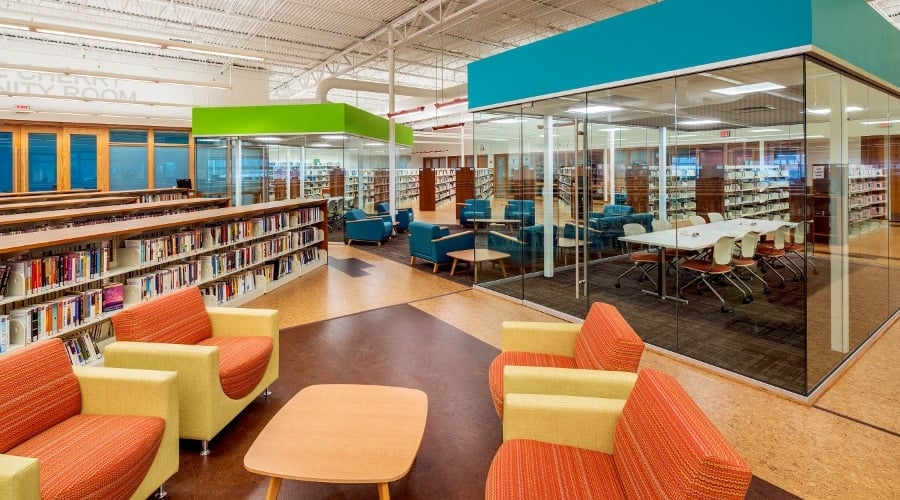
Modern Library
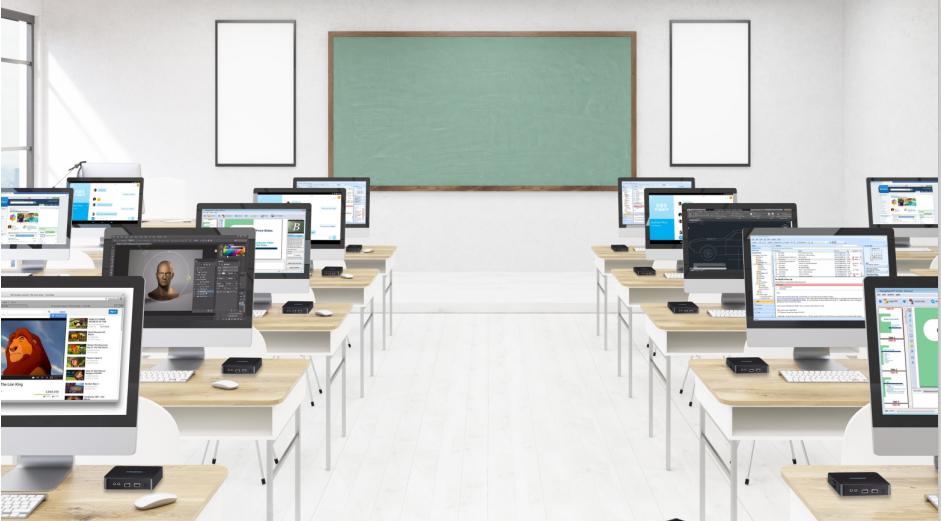
Smart Classrooms
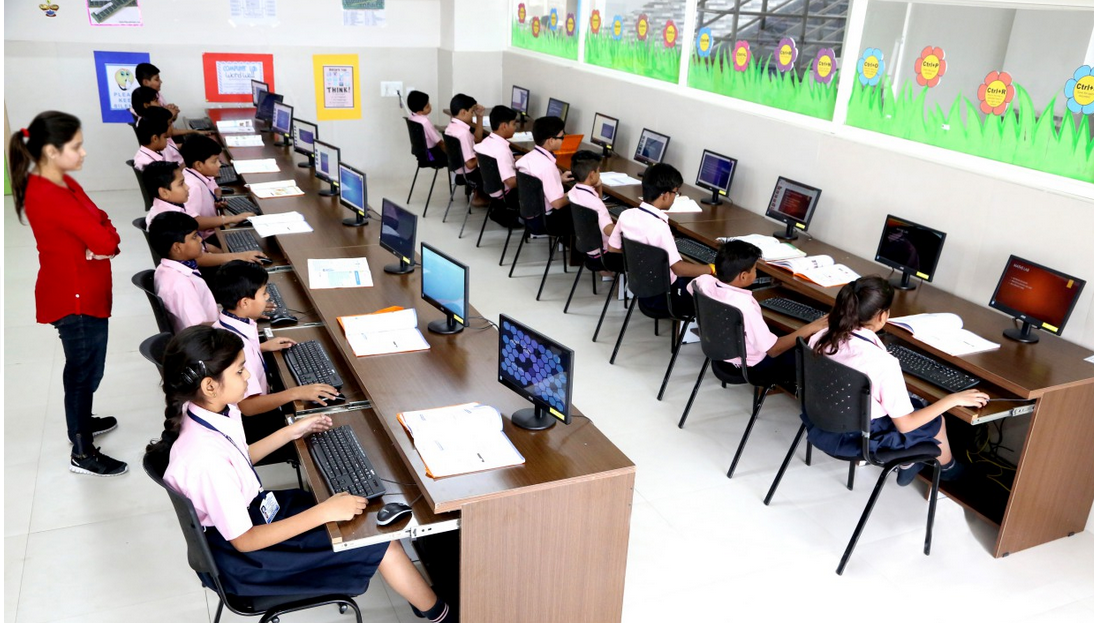
Smart Classrooms represent a modern approach to education that integrates advanced digital technologies with traditional teaching methods to create a more interactive, engaging, and effective learning environment. In a smart classroom, conventional chalk-and-board teaching is enhanced with tools such as smart boards, projectors, multimedia systems, high-speed internet, and digital learning platforms. These facilities enable teachers to present lessons using videos, animations, simulations, and real-time examples, making complex topics easier for students to understand.
Smart classrooms encourage active participation from students by allowing them to interact directly with digital content, take online quizzes, access study materials instantly, and collaborate on projects using digital devices. This approach not only improves student engagement but also enhances their creativity, critical thinking, and problem-solving skills. Teachers can also track student performance more effectively through digital assessment tools and provide personalized feedback based on individual learning needs.
Another major advantage of smart classrooms is flexibility. Learning is no longer restricted to textbooks; students can explore a wide range of online resources and updated content. This helps bridge the gap between theoretical knowledge and practical application. Additionally, smart classrooms support hybrid and remote learning, ensuring continuity of education even outside the physical classroom.
Overall, Smart Classrooms transform the traditional education system into a more dynamic and technology-driven experience, preparing students for the challenges of the modern digital world while making learning more enjoyable and impactful.

Latest Post
-
Email Address:
ksesciencecollege@gmail.com
-
Phone Number
+91 9437002298
-
Our Address
Pragyan Vihar, Badahal, Keonjhar, Odisha